Szybka odpowiedź
Prywatne kabiny spotkań mogą zapewnić kancelariom prawnym bardziej kontrolowane warunki do konsultacji z klientami, przygotowywania świadków, rozmów zespołów prowadzących sprawy oraz poufnych wideorozmów. Jednoosobowa budka telefoniczna do biura jest zazwyczaj bardziej efektywnym wyborem do poufnej rozmowy, natomiast kabina spotkań dla 2–6 osób lepiej sprawdza się, gdy kilka osób musi wspólnie oglądać, słuchać lub analizować materiały. Wybór powinien opierać się na dowodach dotyczących właściwości akustycznych pełnej zabudowy, liniach widoczności, liczbie użytkowników, wentylacji i lokalizacji, a nie na ogólnym stwierdzeniu “dźwiękoszczelna”. Kabina może wspierać procedury ochrony prywatności w kancelarii, lecz sama w sobie nie gwarantuje poufności ani zgodności z wymogami prawnymi.
Ostatnia aktualizacja: 27 lipca 2026 | Autor: Richard | Szacowany czas czytania: 10 minut
Zacznij od rozmowy, a nie od kabiny
Pierwsze pytanie nie brzmi: który model wygląda najlepiej. Należy ustalić, kto będzie korzystać z zabudowanej przestrzeni i co będzie w niej robić.
Prywatna rozmowa prawna ma inne wymagania przestrzenne niż konsultacja z klientem. Sesja przygotowania świadka wiąże się z innymi ryzykami związanymi z widocznością niż wewnętrzny przegląd sprawy. Wybór wyłącznie na podstawie liczby osób może skutkować kabiną, która formalnie mieści użytkowników, ale nie odpowiada rzeczywistemu sposobowi ich pracy.
Kiedy wystarczy jednoosobowa budka telefoniczna
An biurowa budka telefoniczna zazwyczaj lepiej sprawdza się, gdy jeden prawnik, asystent prawny lub pracownik musi odbyć poufną rozmowę telefoniczną lub wideo. Zajmuje mniej powierzchni niż kabina spotkań i pozwala uniknąć rezerwowania wieloosobowej zabudowanej przestrzeni do pracy indywidualnej.
Typowe zadania dla jednej osoby obejmują:
- rozmowę z klientem lub prawnikiem zewnętrznym;
- krótką zdalną rozmowę sądową lub dotyczącą sprawy, gdy wyposażenie budki jest do tego odpowiednie;
- prywatną rozmowę z działem HR lub dotyczącą spraw personalnych;
- poufną wideorozmowę, która nie wymaga wspólnego przeglądania dokumentów przez inną osobę znajdującą się w pomieszczeniu.
Kancelaria powinna nadal sprawdzić, czy ekran rozmówcy, papierowe notatki i treści na tablicy są widoczne przez szkło lub po otwarciu drzwi. Separacja akustyczna sama w sobie nie eliminuje tych zagrożeń.
Kiedy kabina spotkań dla 2–6 osób jest lepszym wyborem
Prywatna kabina spotkań staje się bardziej praktycznym wyborem, gdy dwóch lub więcej uczestników musi współdziałać wewnątrz tej samej zabudowanej przestrzeni. Typowe zastosowania w kancelarii prawnej obejmują:
- konsultacje prawnik–klient;
- przygotowywanie świadków;
- rozmowy ugodowe lub strategiczne;
- małe przeglądy spraw prowadzone przez zespół;
- poufne rozmowy kwalifikacyjne;
- poufne spotkania hybrydowe ze zdalnymi uczestnikami.
Pojemność powinna odpowiadać spotkaniu odbywającemu się najczęściej, a nie największemu spotkaniu, jakie kancelaria jest w stanie sobie wyobrazić. Budka dla dwóch osób może służyć do krótkich konsultacji. Moduł dla czterech osób zapewnia więcej miejsca na rutynowe rozmowy z klientami i dyskusje zespołowe. Moduł dla sześciu osób lepiej sprawdzi się podczas większych spotkań przygotowawczych lub spotkań, na których kilka osób potrzebuje wspólnego ekranu i blatu roboczego.
Macierz planowania prywatnych modułów spotkań dla kancelarii prawnych
Skorzystaj z tej macierzy przed porównaniem dostawców. Łączy ona rodzaj rozmowy z rozwiązaniem zamkniętym, wymaganymi dowodami, rozwiązaniami zapewniającymi prywatność wizualną oraz decyzją dotyczącą układu.
| Scenariusz w kancelarii prawnej | Zwykle odpowiednie rozwiązanie zamknięte | Priorytet akustyczny | Priorytet prywatności wizualnej | Pytanie dotyczące lokalizacji |
|---|---|---|---|---|
| Poufna rozmowa telefoniczna dla jednej osoby | Budka telefoniczna | Ograniczenie zrozumiałości mowy poza budką | Zapobieganie widoczności ekranu i notatek | Czy ludzie mogą czekać lub przechodzić bezpośrednio przed szybą? |
| Konsultacja z klientem w cztery oczy | 2-osobowy moduł spotkań | Zapoznaj się z dowodami na redukcję mowy w całkowicie zamkniętej konstrukcji | Szkło matowe, folia gradientowa, szkło inteligentne lub pełny panel, w zależności od potrzeb | Co jest widoczne z recepcji i korytarza? |
| Przygotowanie świadka | Moduł spotkań dla 2–4 osób | Wybierz wyższy udokumentowany poziom prywatności rozmów w przypadku dłuższych dyskusji | Chroń twarze, dokumenty, ekrany i tablice | Czy drzwi otwierają się w kierunku przestrzeni publicznej lub obszaru o dużym natężeniu ruchu? |
| Mały przegląd sprawy przez zespół | 4-osobowa kapsuła konferencyjna | Uwzględnij kilka osób mówiących jednocześnie i dłuższe sesje | Ustaw ekrany tak, aby nie były widoczne z niechronionych kierunków | Czy wentylacja i przestrzeń na stole są wystarczające dla planowanej liczby użytkowników? |
| Większa poufna dyskusja | 6-osobowa kapsuła konferencyjna | Poproś o dowody dotyczące dokładnie wycenionej konfiguracji | W stosownych przypadkach połącz pełne panele ze szkłem z przesłoną | Czy uczestnicy mogą wejść bez przechodzenia przez odsłoniętą strefę oczekiwania? |
To narzędzie wspomagające planowanie, a nie ocena poufności. Kancelaria powinna zweryfikować wybraną konfigurację w ramach własnych procedur dotyczących bezpieczeństwa informacji, miejsca pracy i odpowiedzialności zawodowej.
Jakich dowodów akustycznych powinna zażądać kancelaria?
Właściwe pytanie nie brzmi: “Czy ta budka jest dźwiękoszczelna?”. Żadnej budki biurowej nie należy traktować jako gwarancji, że żaden dźwięk nie wydostanie się na zewnątrz. Lepsze pytanie dotyczy tego, czy dostawca może wykazać, w jakim stopniu kompletna obudowa redukuje poziom mowy oraz czy te dowody dotyczą wycenianego modelu.
Oficjalna norma ISO 23351-1 obejmuje laboratoryjny pomiar redukcji poziomu mowy dla zestawów meblowych i obudów. Dzięki temu jest bardziej bezpośrednio istotna dla kompletnej budki niż wartość podawana wyłącznie dla pojedynczej ściany, panelu szklanego lub innego komponentu.
Poproś dostawcę o:
- kompletny raport akustyczny, a nie tylko oznaczenie lub wartość podsumowującą;
- dokładną rodzinę produktów i konfigurację objętą raportem;
- edycję normy oraz podaną klasyfikację;
- wyjaśnienie, co oznacza zmierzona wartość;
- wszelkie różnice między testowanym produktem a proponowanym produktem;
- realistyczne ograniczenia po instalacji w biurze firmy.
Wyniki akustyczne różnią się w zależności od metody badania, instalacji, warunków na miejscu, hałasu otoczenia i konfiguracji pomiarowej.
Elite vs. Flex: jak interpretować 33 dB i 30,7 dB
B&H Ergonomics może dostarczyć dokumentację akustyczną ISO 23351-1 klasy A dla serii Elite i Flex. Klasa A jest najwyższą klasą i zaczyna się od redukcji poziomu mowy o 30 dB.
| Seria | Deklarowana redukcja poziomu mowy | Deklarowana klasa | Praktyczna interpretacja zakupowa |
|---|---|---|---|
| Seria Elite | 33 dB | ISO 23351-1 Klasa A | Silniejsza redukcja mowy w projektach, w których priorytetem jest prywatność akustyczna |
| Seria Flex | 30,7 dB | ISO 23351-1 Klasa A | Wydajność klasy A zapewniająca praktyczną równowagę między prywatnością a budżetem |
Flex przekracza próg klasy A, osiągając 30,7 dB. Elite osiąga 33 dB, zapewniając większą zmierzoną redukcję mowy w ramach tej samej najwyższej klasy. W projektach wymagających wyższego poziomu poufności preferowanym wyborem jest Elite. Rzeczywiste wyniki nadal różnią się w zależności od instalacji i warunków na miejscu.
Prywatność wizualna to więcej niż matowe szkło
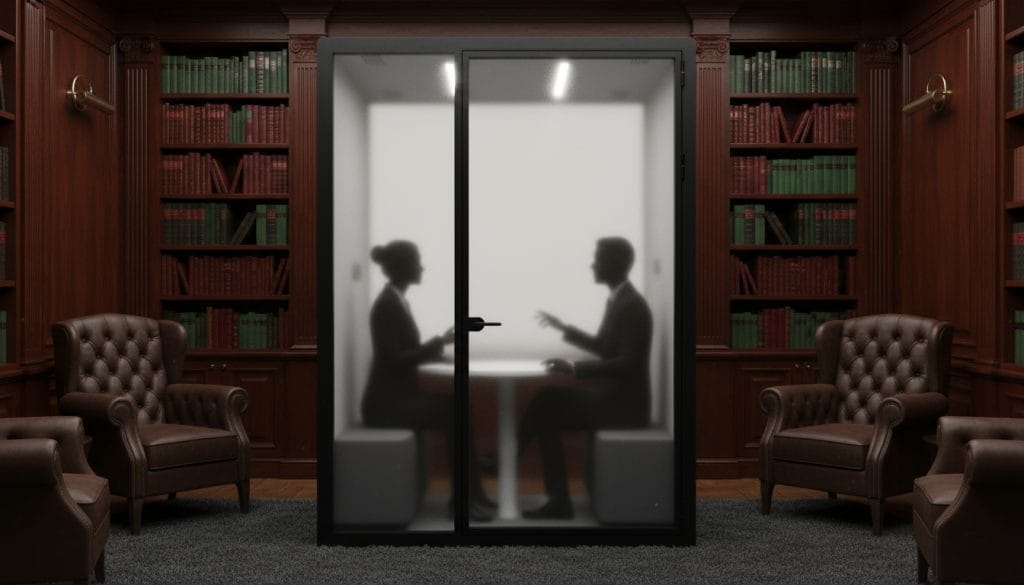
Prywatność rozmów jest tylko jedną częścią zagadnienia. Osoba przechodząca obok może nie być w stanie zrozumieć rozmowy, ale nadal widzieć twarz klienta, dokument na stole lub akta sprawy na ekranie.
B&H Ergonomics może skonfigurować budki z matowym szkłem, folią gradientową, inteligentnym szkłem lub pełnymi panelami ściennymi. Każda opcja rozwiązuje inną część problemu związanego z linią widzenia.
| Rozwiązanie zapewniające prywatność wizualną | Co sprawdza się najlepiej | Co firma nadal musi sprawdzić |
|---|---|---|
| Szkło matowe | Ogranicza bezpośredni widok, zachowując rozproszone światło | Czy kształty, ekrany lub ruch pozostają widoczne z bliskiej odległości lub przy silnym oświetleniu od tyłu |
| Folia gradientowa | Ogranicza widoczność w wybranych strefach, pozostawiając część szkła przezroczystą | Czy zasłonięte są linie widzenia zarówno osób siedzących, jak i stojących |
| Inteligentne szkło | Umożliwia przełączanie szkła między trybem przezroczystym a trybem prywatności | Zasilanie, sposób działania sterowania, stan domyślny oraz procedura firmy dotycząca aktywacji trybu prywatności |
| Pełny panel ścienny | Zapewnia najsilniejszą barierę wizualną w tym kierunku | Oświetlenie, charakter wnętrza, montaż ekranów i orientacja w rzucie kondygnacji |
Właściwym rozwiązaniem często jest połączenie różnych elementów. Pełne panele boczne lub tylne mogą chronić ekrany i dokumenty, a szkło przednie z odpowiednią obróbką zachowuje dostęp światła i pozwala utrzymać czytelność wejścia. Orientacja drzwi ma równie duże znaczenie jak specyfikacja szkła: otwarcie dobrze osłoniętego modułu bezpośrednio w stronę recepcji może na chwilę odsłonić całe wnętrze.
Przed zatwierdzeniem sprawdź proponowany układ z kilku miejsc:
- miejsc siedzących w recepcji;
- głównego korytarza;
- sąsiednich stanowisk pracy;
- miejsca, w którym ktoś czeka na moduł;
- poziomu wzroku osoby stojącej i siedzącej;
- drzwi, gdy są całkowicie otwarte;
- warunków oświetlenia nocnego lub o wysokim kontraście, jeśli ma to zastosowanie.
Konfiguracja Elite XL o wysokim poziomie poufności
B&H Ergonomics dostarczyło wcześniej model Elite XL do projektu sali spotkań o wysokim poziomie poufności. W konfiguracji zastosowano trzy pełne ściany oraz front z matowego szkła.
Z obserwowanego stanowiska na zewnątrz zainstalowanej kabiny wnętrza nie można było rozpoznać przez matowy front, a słowa wypowiadane wewnątrz były niezrozumiałe. Konfiguracja łączyła skuteczną barierę wizualną z trzech stron z osłoniętym wejściem z przodu, zamiast oczekiwać, że przezroczyste szkło i właściwości akustyczne rozwiążą ten sam problem.
To obserwacja własna z realizacji, a nie uniwersalna gwarancja parametrów. Wynik dotyczył tej konfiguracji, instalacji, pomieszczenia, stanowiska obserwatora, warunków tła i sposobu użytkowania. Kancelaria prawna rozważająca podobny projekt powinna zapoznać się z aktualną dokumentacją akustyczną Elite XL i ocenić linie widoczności względem własnego planu powierzchni.
Gdzie należy umieścić prywatną kabinę spotkań?
Lokalizacja może wzmocnić lub osłabić skądinąd odpowiednią konfigurację. Kabina w pobliżu recepcji może ułatwiać klientom dostęp, ale może również eksponować osoby przychodzące, wychodzące oraz widoki przy otwartych drzwiach. Kabina umieszczona głęboko w strefie pracowniczej może zapewniać lepsze odseparowanie, lecz wymagać od klientów przejścia obok stanowisk pracy lub poufnych materiałów.
Chroń linie widoczności przy drzwiach i ekranie
Ustaw wejście tak, aby otwarte drzwi nie odsłaniały ekranu, tablicy ani stołu pokrytego dokumentami. Tam, gdzie to możliwe, umieść wspólny wyświetlacz przy pełnej ścianie, która nie jest bezpośrednio widoczna od wejścia. Sprawdź zarówno odbicia, jak i bezpośrednie widoki; polerowane szkło i sąsiednie ekrany mogą ujawniać informacje pod nieoczekiwanymi kątami.
Nie traktuj hałasu tła jako systemu ochrony prywatności
Umiarkowany dźwięk otoczenia może utrudniać zrozumienie mowy na zewnątrz kabiny, ale natężenie ruchu na korytarzu jest zmienne. Kancelaria nie powinna polegać na ruchliwym biurze, muzyce ani ogólnym hałasie w celu ochrony rozmowy. Jako podstawowe środki ochrony wykorzystaj udokumentowane parametry akustyczne kabiny i układ biura, a dźwięki otoczenia traktuj jako warunek lokalny wymagający oceny.
Planuj z myślą o rzeczywistym użytkowaniu
Dłuższe spotkania z klientami i świadkami stawiają większe wymagania wobec wentylacji, miejsc siedzących, oświetlenia i użytecznej powierzchni stołu niż krótka rozmowa. Potwierdź przewidzianą liczbę użytkowników kabiny, informacje o przepływie powietrza, dostęp do zasilania, pozycję ekranu i przestrzeń potrzebną do otwarcia drzwi. Nominalna pojemność sześciu osób nie wystarczy, jeśli planowane meble lub wyświetlacz sprawiają, że korzystanie z kabiny przez sześć osób jest niewygodne.
Co powinien zawierać pakiet dokumentacji od dostawcy?
Kancelaria prawna powinna mieć możliwość zapoznania się z czymś więcej niż tylko zdjęciem produktu i główną wartością parametru akustycznego. Poproś o pakiet dokumentacji, który umożliwi audyt decyzji dotyczącej produktu.
- Model i konfiguracja: dokładna seria, rozmiar, pojemność, konstrukcja ścian, rodzaj szkła, układ drzwi i aranżacja wnętrza.
- Dokumentacja akustyczna: pełny raport, testowany model, metoda badania, klasyfikacja, redukcja poziomu mowy oraz wszelkie różnice między konfiguracjami.
- Plan ochrony prywatności wizualnej: widoki elewacyjne lub obrazy z oznaczeniami przedstawiające pełne panele, szkło z odpowiednią obróbką, ekrany, powierzchnie robocze i linie widoczności przy otwartych drzwiach.
- Informacje o wentylacji: metoda przepływu powietrza, elementy sterujące, wytyczne dotyczące użytkowania oraz przydatność do przewidywanego czasu trwania spotkań i liczby użytkowników.
- Plan zasilania i technologii: lokalizacja gniazd, regionalne wymagania elektryczne, montaż wyświetlacza, prowadzenie kabli oraz, w stosownych przypadkach, wymagania sieciowe.
- Weryfikacja rzutu kondygnacji: powierzchnia zabudowy kabiny, wymagane odstępy, kierunek wejścia, ciągi komunikacyjne, widoczność z recepcji oraz trasa dostawy.
- Zakres instalacji: przygotowanie miejsca, odpowiedzialność za montaż, kontrole uruchomieniowe oraz informacje dotyczące przekazania.
- Informacje dotyczące konserwacji: instrukcje dotyczące uszczelek drzwi, szkła lub folii, komponentów wentylacyjnych, elementów sterujących i części zamiennych.
Aby szerzej porównać pojemność, parametry akustyczne, przepływ powietrza i zakres projektu, skorzystaj z B&H Ergonomics przewodnik po kapsułach konferencyjnych przed zatwierdzeniem wyceny.
Czego kabina spotkań nie może zagwarantować
Prywatna, zamknięta przestrzeń jest jednym z fizycznych środków w ramach szerszego procesu zapewniania poufności. Nie może określić, kto jest upoważniony do udziału, uniemożliwić uczestnikowi nagrywania, zabezpieczyć pozostawionego bez nadzoru laptopa, kontrolować tego, co wyświetla się na udostępnionym ekranie, ani zastąpić zasad i profesjonalnej oceny kancelarii.
Amerykańska Izba Adwokacka Model Rule 1.6 stanowi ogólny punkt odniesienia w zakresie poufności informacji, jednak jest to zasada modelowa, a nie specyfikacja produktu ani uniwersalne stwierdzenie prawa obowiązującego każdą kancelarię. Obowiązujące zasady zawodowe i wymagania dotyczące miejsca pracy zależą od jurysdykcji i okoliczności.
Nie opisuj kabiny spotkań jako rozwiązania gwarantującego tajemnicę zawodową w relacji prawnik–klient, zgodność z przepisami ani całkowitą dźwiękoszczelność. Uzasadnione twierdzenie jest węższe: właściwie dobrana i ustawiona kabina może poprawić prywatność akustyczną i wizualną jako element szerszych procedur kancelarii.
Praktyczna sekwencja wyboru dla kancelarii prawnych
- Wypisz rodzaje rozmów. Rozdziel rozmowy indywidualne, konsultacje dwuosobowe, przygotowanie świadków, przeglądy w małych zespołach oraz większe spotkania dotyczące wrażliwych kwestii.
- Wybierz standardową pojemność. Wybierz rozwiązanie dla najczęściej spotykanej wielkości spotkań, a następnie potwierdź, czy okazjonalne większe spotkania wymagają innego pomieszczenia.
- Ustal priorytety dotyczące prywatności. Określ, kto nie może słyszeć rozmowy i co nie może być widoczne z każdej strony podejścia.
- Poproś o dowody dotyczące konkretnego modelu. Porównaj pełne raporty i potwierdź, że testowana konfiguracja odpowiada ofercie.
- Wybierz rozwiązanie wizualne. Połącz szkło matowe, folię gradientową, inteligentne szkło i pełne panele zgodnie z rzeczywistymi liniami widzenia.
- Przeanalizuj plan piętra. Sprawdź warunki dotyczące drzwi, ekranu, korytarza, recepcji, poczekalni, zasilania, wentylacji i dostawy.
- Udokumentuj ograniczenia. Uwzględnij kabinę w firmowych procedurach dotyczących korzystania z pomieszczeń, urządzeń, dokumentów i nagrywania, zamiast traktować ją jako samodzielne rozwiązanie zapewniające zgodność.
Po udokumentowaniu tych decyzji porównaj B&H Ergonomics kapsuły konferencyjne pod względem pojemności i konfiguracji. Ocena produktu będzie bardziej przydatna, gdy firma będzie mogła podać oczekiwaną liczbę użytkowników, plan piętra, rozwiązanie wizualne, wymóg dotyczący dowodów akustycznych oraz potrzeby technologiczne.
FAQ
Czy prywatne kabiny konferencyjne są całkowicie dźwiękoszczelne?
Nie. Kabina konferencyjna może ograniczać przenoszenie dźwięku mowy i utrudniać rozumienie rozmów prowadzonych poza jej obrębem, ale nie należy jej określać jako całkowicie dźwiękoszczelną. Należy przeanalizować dane akustyczne dotyczące całkowitej izolacji akustycznej oraz uwzględnić sposób montażu, hałas otoczenia, rozmieszczenie kabiny, oszklenie, drzwi i wentylację.
Czy w przypadku poufnej rozmowy o sprawach prawnych lepiej skorzystać z budki telefonicznej czy z kabiny konferencyjnej?
Z budki telefonicznej należy korzystać, gdy jedna osoba potrzebuje zamkniętej przestrzeni do prywatnej rozmowy. Z kabiny konferencyjnej należy korzystać, gdy od dwóch do sześciu osób musi wspólnie omówić sprawę, przygotować się, przejrzeć dokumenty lub wziąć udział w poufnym spotkaniu w formacie hybrydowym. Pojemność należy dobrać na podstawie typowego wykorzystania, a nie pod kątem największego możliwego spotkania.
Czy matowe szkło wystarczy, by zapewnić prywatność wizualną?
Niekoniecznie. Szkło matowe może ograniczać bezpośrednią widoczność, jednak firma powinna sprawdzić, jak prezentują się na nim sylwetki, ekrany, dokumenty, kontrast oświetlenia, widoczność z bliskiej odległości oraz linia widzenia powstająca po otwarciu drzwi. W przypadku układów wymagających wyższego poziomu poufności lepszym rozwiązaniem mogą być pełne panele lub połączenie różnych rozwiązań.
Czy różnica między 33 dB a 30,7 dB jest istotna?
Tak. Oba wyniki spełniają najwyższe wymagania normy ISO 23351-1 klasy A, której próg wynosi 30 dB. Model Flex osiągnął wynik 30,7 dB, natomiast model Elite – 33 dB i stanowi lepsze rozwiązanie w przypadku projektów wymagających wyższego poziomu poufności. Rzeczywiste wyniki mogą się różnić w zależności od sposobu montażu i warunków panujących w danym miejscu.
Czy kabina do spotkań może zagwarantować poufność relacji między adwokatem a klientem?
Nie. Kabina może wspierać prywatność akustyczną i wizualną, ale poufność zależy również od ludzi, urządzeń, dokumentów, dostępu, praktyk nagrywania, procedur biurowych i obowiązujących zasad zawodowych. Traktuj kabinę jako jeden z fizycznych środków kontroli w szerszym procesie zapewniania poufności w firmie.